









Hydrogen storage innovation from pressure vessels to cryogenics
With production growing and applications expanding, the hydrogen sector needs materials innovation more than ever. Composites are redefining pressure vessels, unlocking manufacturing efficiencies and addressing critical challenges like recycling and lifecycle costs. Marcus Walls-Bruck, Head of hydrogen technologies, NCC tells us more about this topic.
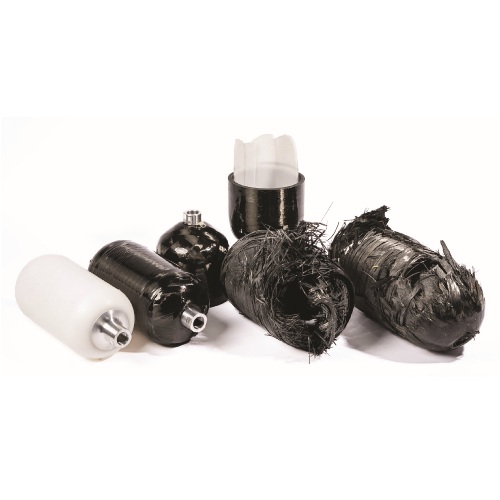
As the hydrogen economy moves from bold ambition to tangible reality, the challenge is clear: we need materials that can handle extreme conditions while remaining cost-effective and scalable. NCC is transforming cutting-edge research and technology into industrial impact through advanced material solutions such as composites that are proving indispensable for storage and distribution. While existing pressure vessels are already showing strong commercial potential, there is still plenty of scope for innovation – be it addressing challenges on reducing weight, cutting costs or better end-oflife recycling.
The global hydrogen sector produced around 97 million tonnes in 2024, but nearly all of this was ‘grey’ hydrogen. As the shift towards clean hydrogen accelerates – unlocking new applications in heavy industry, transport and dispatchable power – composite materials are emerging as a key enabler, creating fresh opportunities across the supply chain.
Current pressure vessel technology
Composite pressure vessels are now the cornerstone of hydrogen storage, and for good reason. Compared to metallic options, composites’ superior gravimetric efficiency gives the material a major edge for mobile applications.
Operating at 700 bar and beyond, today’s composite tanks can withstand extreme structural loads without losing their lightweight advantage. They are used across diverse sectors – from tube trailers and off-highway vehicles to marine settings and pioneering hydrogen-electric flights like those from ZeroAvia.
Rising production volumes reflect this growing confidence and manufacturers now turn out hundreds of thousands of vessels each year. However, this is still a nascent market with suppliers building capacity now to meet future demand, which is expected to grow significantly in the coming years.
Cover photo: NCC’s technology expertise is working to unlock the entire product life cycle (source: NCC)


